01
Slow
Identifying potential precious-metal content still relies largely on visual, “eyeball” assessment — it takes time and results vary between assessors.
Neo Element is developing AI-powered technology that analyses images of e-waste to estimate valuable material content — so recovery decisions can be made faster and on better data.
Concept stage · Technology under development
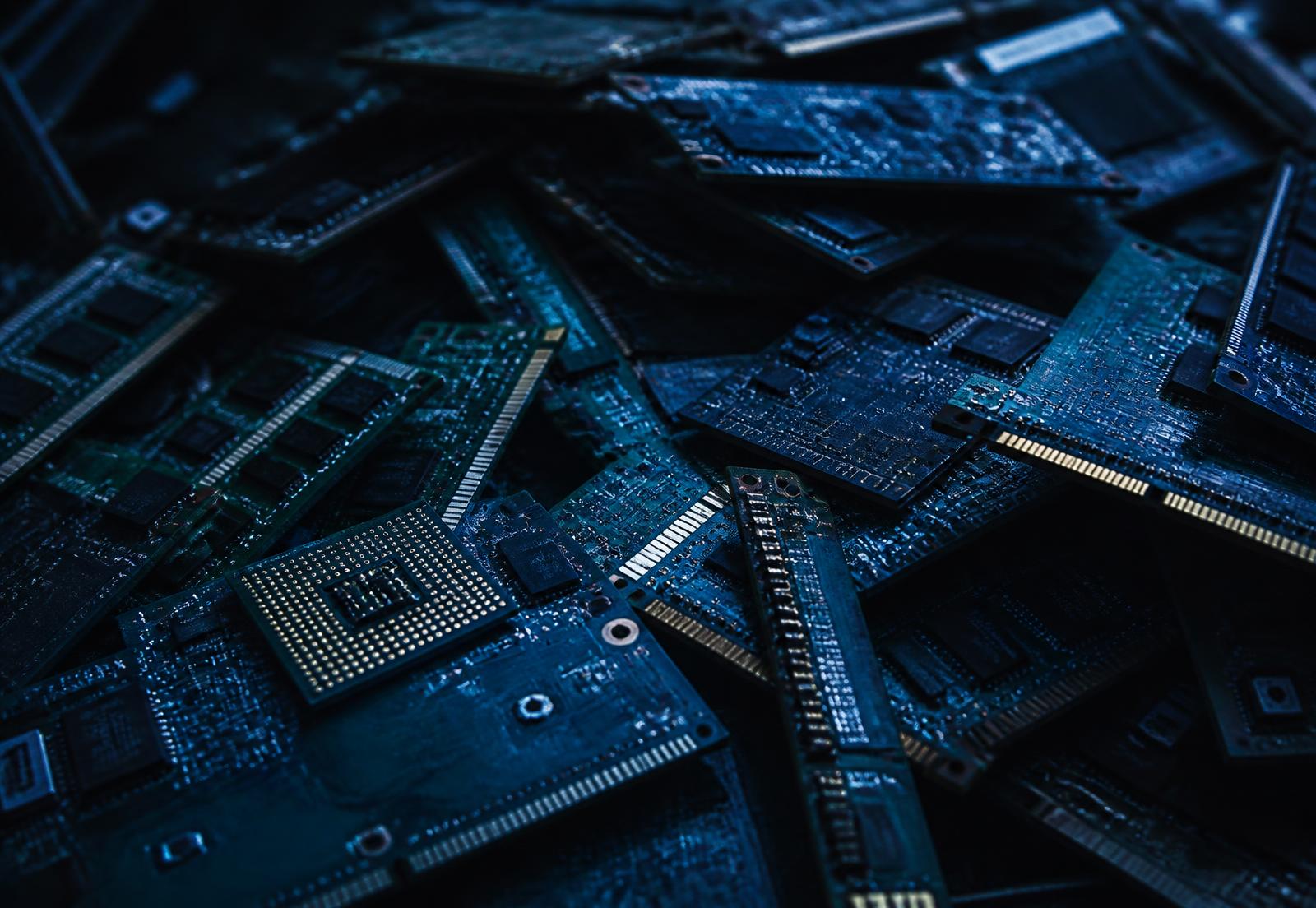
Discarded electronics are one of the fastest-growing waste streams in the world. They are also dense with materials that industry works hard to mine elsewhere.
of e-waste generated globally in 2022, with generation expected to keep rising.
The question is not whether value is present — it is knowing what is there, and how much.

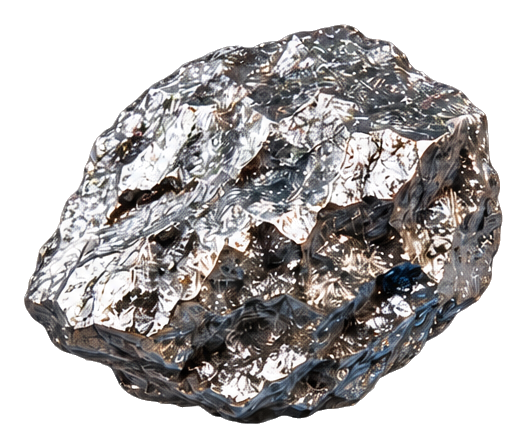
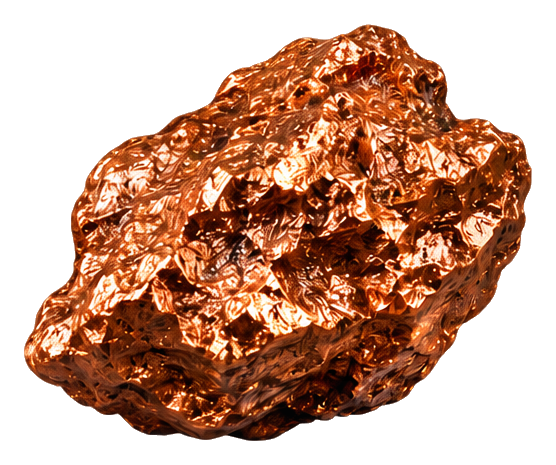
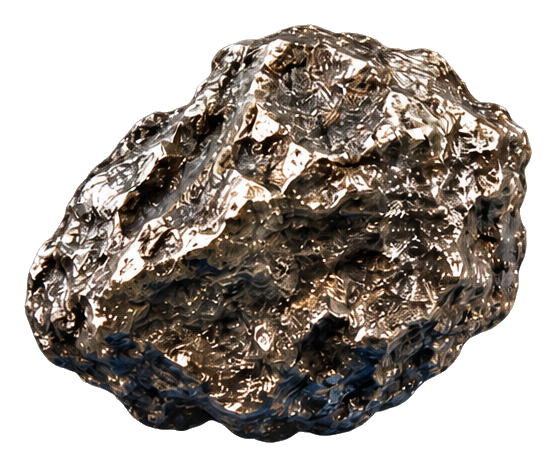
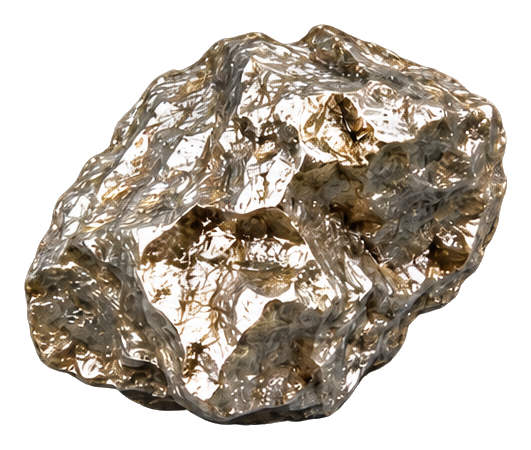
Indicative of the materials commonly present in electronic waste streams — the content Neo Element aims to help estimate.
Identifying potential precious-metal content still relies largely on visual, “eyeball” assessment — it takes time and results vary between assessors.
Intuition-driven and labour-intensive approaches create transaction risk for buyers and sellers, as well as environmental risk downstream.
Inefficient e-waste handling leaves recoverable value in the stream and creates significant economic loss across the chain.
We are developing technology designed to identify valuable materials in e-waste faster, at scale and more consistently — combining image recognition with the data that surrounds each stream.
Images and characteristics of an e-waste stream are collected.
Inputs are organised, cleaned and prepared for analysis.
AI image-recognition models read visual information alongside relevant material data.
The system aims to estimate valuable material content in the stream.
Potential outputs: material types, estimated value, recycling risks and reporting.
E-waste generated globally in 2022
and expected to keep growing
Valuable metals commonly present in e-waste
gold, silver, copper, nickel and palladium
Volumes are rising, recovery rates remain low, and valuable materials stay trapped inside discarded electronics. Neo Element is positioning around the layer that is missing: reliable, fast material assessment.
Potentially accelerate how quickly an e-waste stream can be assessed.
Better information can support more informed transactions between parties.
Material intelligence can help direct streams to the right recovery process.
Help surface valuable materials that might otherwise remain hidden.
target speed of precious-metal identification versus current visual assessment.
target improvement in precision versus traditional “eyeball” methods.
These are development targets that guide our work, not measured results. Neo Element is at concept stage and has not validated these figures.
Neo Element is exploring pilot projects, industry collaboration and opportunities to develop the technology alongside organisations working in e-waste recovery and precious-material processing.
Interested in exploring what this could look like in your operation?